Ten Salt-Air Stations: Car-Free Classic Boat Days by Rail in 2026
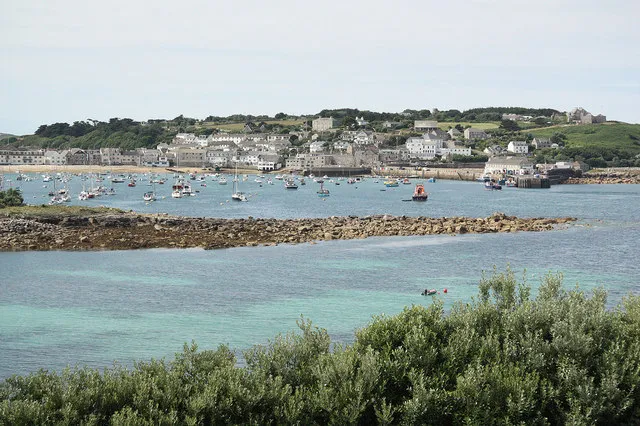
Photo: Richard Croft , CC BY-SA 2.0, via Wikimedia Commons
Half the pleasure of a classic-boat day out is the bit before you reach the water: the train window, the flask, the slow transition from suburb to salt marsh. The other half is not hunting for a parking space. If you have ever circled a harbour town on a summer Saturday, you will know why a car-free day has its own appeal. These ten UK stops put a railway platform within reasonable reach of heritage vessels, boatyard cafés, chandlers and quayside walks. They are not a definitive list, and timetables change, so check before you travel. But as a starting point for 2026, they will get you to the coast with a clear conscience and a modest rucksack.
1. Portsmouth Harbour, Hampshire
The train runs almost to the Historic Dockyard, which makes Portsmouth the easiest first step for anyone new to car-free boat days. HMS Victory and the Mary Rose are the headline acts, but the harbour ferries, the old fortifications and the chandlers around Old Portsmouth give the day a proper nautical rhythm. Tide note: harbour ferries and trips vary with the tide and season, so book the waterborne bit after you have checked the day's table. Luggage tip: a small rucksack beats a wheelie bag on cobbles.
2. Plymouth, Devon
Arrive at Plymouth station and walk down to the Barbican, where the smell of diesel, rope and fried food is a reliable sign that you are in the right place. Classic boat trips around the Sound, the Mayflower steps and a cluster of boatyard cafés make this a fine shoulder-season day out. There are chandlers for the things you forgot and quayside benches for the things you did not. Tide note: slipway and trip times shift quickly here; check before committing to a late afternoon sailing.
3. Falmouth, Cornwall
The branch line into Falmouth is a treat in itself, curling past creeks and woodland before delivering you to a town that takes its maritime history seriously without making a fuss about it. The National Maritime Museum Cornwall is the obvious anchor, but the harbour ferries, classic boat trips and boatyard cafés around Custom House Quay are the real texture of the day. Tide note: low water exposes the harbour's working bones, so time a walk to Pendennis with the tide rather than against it.
4. Dartmouth via Kingswear, Devon
Take the train to Kingswear, then the ferry across to Dartmouth, and you have one of the most satisfying arrivals on the English coast. The steam railway is part of the theatre, but the destination is the dart: heritage vessels, chandlers, quayside walks and boatyard cafés tucked among the pastel frontages. Tide note: the Dart has a big range, and ferry timings can change with the water. Luggage tip: keep your bag light for the ferry step and the narrow streets.
5. Lymington Pier, Hampshire
The train to Lymington Pier puts you beside the Solent, with the ferry to Yarmouth a short walk away. Lymington itself has a proper sailing-town feel: chandlers, boatyard cafés, quayside benches and plenty of classic GRP and wooden craft to admire. It is a good day for wandering rather than rushing. Tide note: if you are combining rail with a harbour trip, build in slack water and a backup plan. Luggage tip: waterproof the important bits; Solent weather changes its mind.
6. Whitby, North Yorkshire
Whitby station is a short walk from a harbour that feels carved rather than built. The town's fishing heritage, cobles and boat trips give it a working character that sits well with a classic-boat eye. Chandlers, quayside chip shops and boatyard cafés fill the gaps between tides. Tide note: the harbour dries in parts, so check before planning a walk along the lower quay. Luggage tip: leave room for a bag of something smoked.
7. Oban, Argyll
The West Highland Line into Oban is one of the great railway approaches to the sea, and the town itself is a gateway to heritage boat trips, island ferries and a harbour full of character. Chandlers, boatyard cafés and quayside walks will fill a day even if the weather turns. Tide note: this is a place where weather and tide make the timetable, so leave slack in your plans. Luggage tip: a dry bag is not overkill.
8. Burnham-on-Crouch, Essex
A branch-line train delivers you to a sailing town that has been messing about in boats for generations. The quay, the chandlers and the boatyard cafés are all within easy reach, and the river walk gives you a proper view of the mud berths and moorings that make this coast so distinctive. Tide note: the Crouch is a tidal river, and the difference between high and low water is the difference between a stroll and a mud survey. Luggage tip: shoes you can rinse.
9. Harwich, Essex
Harwich is a historic port with a railway station that puts you close to the old town, the ferry terminal and the quayside. It is not a glossy resort, which is precisely the point: chandlers, boatyard cafés and harbour walks feel like part of a working coast. Tide note: check ferry and harbour trip times before you travel, as they are not built around a day-tripper's lunch. Luggage tip: keep it compact for the ferry queues.
10. Cowes, Isle of Wight via train and ferry
Take the train to Southampton Central or Lymington Pier, then the ferry across to Cowes, and you have a classic-boat day with a proper sense of arrival. The town is steeped in sailing, with chandlers, boatyard cafés and quayside walks that reward a slow afternoon. Tide note: ferry times and harbour activity shift with the Solent's moods, so check both before you go. Luggage tip: a jacket that folds small and a bag that leaves your hands free.
The car-free rhythm
What these places share is not just a station and a harbour, but a rhythm. You arrive on foot, you notice the tide, you linger over a coffee, and you leave when the light goes. That is the opposite of a frantic day out. Pack a tide table, a railcard if you have one, and a little patience for the branch-line connections. In 2026, the train is still one of the most civilised ways to reach the coast.