Slack Water Serenity: Twelve Shallow-Draft Havens to Savour in 2026

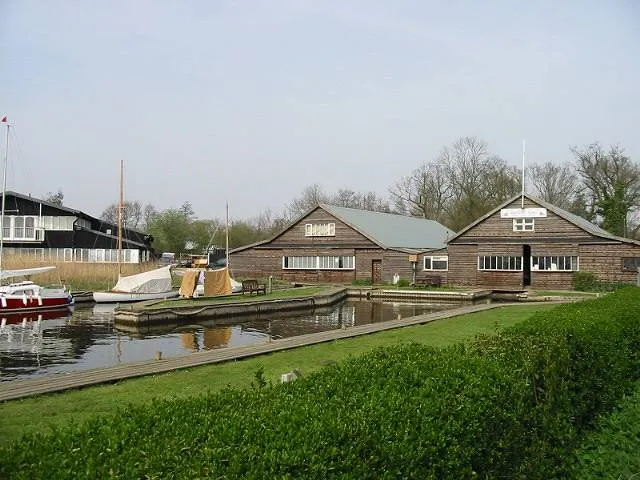
Photo: classic wooden sailing boat anchored in shallow tidal creek UK, via www.mbgrand600.com
Classic boats ask for a different kind of passage planning. They reward the crew who reads the tide table before the chartplotter, who accepts that a creek is not a marina and who finds pleasure in waiting for the right hour. For the 2026 season, these twelve creeks and anchorages offer exactly that kind of slow, tidal reward. Some dry out. Some need a rising tide and a careful eye on the wind. All of them suit shallow-draft classic motor cruisers and sailing boats far better than a rushed dash from pontoon to pontoon.
Read the water before the chartplotter
Tidal access is the first consideration, but it is not the only one. Check the current almanac, harbour authority notices and local pilotage before you leave. A creek that carries depth on a neap tide may feel very different on a spring, and a strong onshore wind can hold water in or push it out. Draft matters, but so does the angle of the keel, the reliability of your engine and the willingness of your crew to take a line ashore.
Anchoring etiquette matters just as much. Keep clear of fairways, ferry routes and private moorings. Use enough scope, allow swinging room and avoid anchoring over eelgrass where local guidance asks you not to. Pay harbour dues where they apply, keep wakes low and take everything home. The reward for that care is access to places that feel miles from the nearest chandlery.
Twelve places to take your time
1. Newtown Creek, Isle of Wight
A National Trust inlet on the island's north-west side, Newtown Creek feels almost hidden from the Solent. The entrance is shallow and tide-dependent, so arrive with water and leave with a plan. Anchor clear of the channels and enjoy the birdlife. The New Inn at Shalfleet is a decent walk, and Yarmouth has the nearest boatyard support. It is a place for quiet dinghy rides, not loud tenders.
2. Wootton Creek, Isle of Wight
Wootton is a handy tide-friendly stop between the Solent and the eastern island. The creek dries in parts, so check your window and use the visitor moorings or anchoring space with care. The Sloop Inn is a short stroll and the local boatyard scene makes it a practical place to pause. Keep clear of the ferry and local traffic, and treat the moorings as someone else's workplace.
3. Buckler's Hard, Beaulieu River
Managed by the Beaulieu Estate, this is one of the most atmospheric stops on the south coast. Visitor moorings must be booked, and the river rewards a quiet approach. The Master Builder's House is the obvious pub stop, while the historic shipbuilding connection gives the place its weight. Tide and river rules rule here; do not anchor in the fairway and do not assume space in high summer.
4. Keyhaven and Pennington Marsh
Tucked behind Hurst Spit, Keyhaven is a shallow, tide-limited haven with a wonderfully exposed feel. The entrance needs local care, and the anchorages and moorings are best used with the tide rather than against it. The Gun Inn is a proper reward, and Lymington offers yards and chandlery nearby. This is a place to watch the weather and respect the saltmarsh.
5. Itchenor and East Head, Chichester Harbour
Chichester Harbour is a classic-boating playground, but East Head and the Itchenor reach need respect. Anchor clear of the main channels and swimmers, and use the harbour guidance. The Ship Inn at Itchenor is a good destination, and the local boatyards keep the harbour's working character alive. Arrive early in summer and be prepared to move if the weather turns.
6. Bosham Channel
Bosham is beautiful, drying and utterly tide-ruled. The channel is not for the deep-drafted or the impatient. Anchor or take a mooring according to local instructions, then explore the quay and the Anchor Bleu. The village feels like a heritage exhibit that still smells of mud and salt. Check the harbour authority guidance, and do not block the channel for local craft.
7. Ashlett Creek
Ashlett Creek, off Southampton Water, has a quietly industrial edge and a genuinely rural feel once you are inside. It dries, so timing is everything. The Jolly Sailor is the pub anchor, and the surrounding boatyard activity reminds you that this coast still works for a living. Keep clear of commercial traffic and do not treat the creek as a free mooring.
8. Upper Hamble River
The Hamble is busy, but the upper reaches around Bursledon and Swanwick still feel like a heritage boatyard corridor. Tide limits access, and moorings dominate, so anchoring is not a free-for-all. The Jolly Sailor at Bursledon is a fine stop, and the yards are part of the appeal. Go slowly, keep wash minimal and enjoy the sight of old hulls being kept alive.
9. Pin Mill, River Orwell
Pin Mill is one of the East Coast's great small-boat destinations. The anchorage off the hard is shallow and tide-dependent, and the Butt and Oyster is the sort of pub that makes a wet passage worthwhile. The local boatyard and sailing club keep the place alive. Anchor clear of the channel, watch the mud and do not expect deep-water convenience.
10. Walton Backwaters
The Backwaters are a maze of shallow channels, saltmarsh and quiet anchorages. Stone Point is a favourite, but the whole area rewards careful pilotage and a rising tide. There are few facilities, which is the point. Walton-on-the-Naze has pubs and shops within reach, and local boatyards can help with the basics. This is dinghy country, not a place for impatient skippers.
11. Morston and Blakeney, North Norfolk
North Norfolk's creeks are beautiful, tidal and shifting. Morston is a good base for exploring the seal and birdlife, and the Anchor Inn is a welcome sight after a day on the water. The approach needs local knowledge and a fair tide. Blakeney has boatyard and harbour support nearby. Keep speed down, respect the harbour and do not assume the channel is where it was last season.
12. Wells-next-the-Sea
Wells is a proper tidal harbour with a working feel and a charming town attached. The harbour dries, the approach channel can shift and the tide governs everything. The local pubs and boatyard services make it a satisfying stop, but call ahead and follow harbour instructions. It is a place for a steady approach, a decent meal and an early start on the ebb.
The reward is the waiting
The common thread is not luxury or convenience. It is patience. A classic hull under a low tide sky, a dinghy ride to a pub, a boatyard that still knows how to repair a wooden stem: these are the things that make the 2026 season worth planning for. Take the tide seriously, leave the place better than you found it and let the creek set the pace.