Keep the Water Under Them: Why Working Heritage Boats Beat Museum Silence
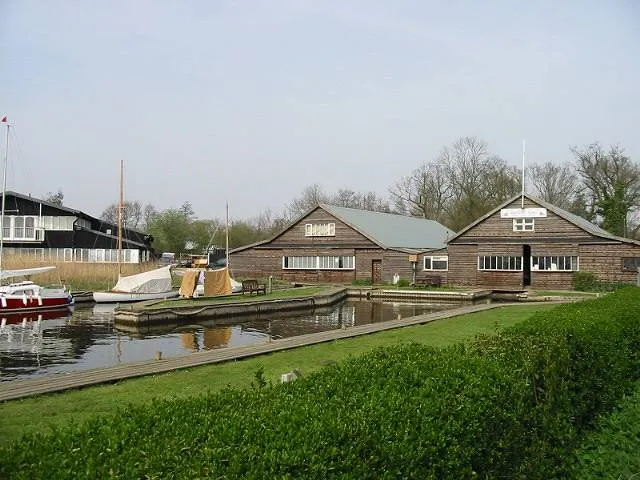
Photo: Nick Smith, CC BY-SA 2.0, via Wikimedia Commons
There is a particular silence in a museum hall. It is a respectful silence, the sort that surrounds a polished model or a fragment of a historic hull. But there is another silence that matters more to Britain's classic-boating heritage: the silence of an anchorage at first light, with a varnished bowsprit pointing at the sky and a crew still learning how to set a staysail properly. That silence is not empty. It is full of skill, risk and weather.
A hull needs a job
A boat is a machine for moving through water, and a heritage vessel is also a machine for moving through time. Strip away the water and you preserve the object but risk losing the culture around it. The rigger's knot, the engineer's ear for an old diesel, the skipper's feel for a following tide: these things are not captured in a display case. They are passed on by use.
Active preservation does not mean treating every old boat as a theme-park ride. It means accepting that heritage is a practice as well as a collection. It means supporting the people who can still caulk a seam, splice a rope or tune a vintage engine. It means giving old hulls a working life that pays for their upkeep and keeps them visible to the public.
What working boats preserve
The strongest argument for keeping heritage vessels on the water is not sentimental. It is practical. A boat that sails regularly reveals problems early. Rot, loose fastenings, tired rigging and failing systems show up under load. A boat that sits untouched can look sound while quietly deteriorating from the inside.
Working boats also preserve skills that are otherwise vulnerable to extinction. Around the Solent, Falmouth, the East Coast and the Scottish yards, there are still craftspeople who understand traditional construction, old engines and the peculiar geometry of a gaff rig. They need customers, apprentices and reasons to keep their tools sharp. Every restoration that leads to a sailing season helps keep that ecosystem alive.
There is a public benefit too. A museum can show a boat behind glass. A working boat can take people out, teach them how a heavy displacement hull behaves and explain why seamanship matters. That kind of access is harder to arrange, but it is often more memorable.
The owner-skipper's bargain
The romance of the old boat is real, but it comes with a bill. Owners of a 1930s sloop or a 1960s motor cruiser will tell you that the bargain is not simply between them and the boat. It is between them, the yard, the insurer, the mooring officer and the weather.
Active preservation has trade-offs. Maintenance is relentless. Insurance can be cautious. Berths may be scarce. Modern safety expectations are not optional. A heritage vessel that carries passengers or teaches young sailors must meet today's standards, and that can cost more than a straightforward private restoration. There is also the quiet pressure of using a historic boat as a family asset: children need space, crews need reliability and weekends are finite.
Those trade-offs should not be brushed aside. A working heritage boat is not automatically better than a conserved one. It is simply a different choice, with different risks and rewards. The best owners are not romantics who ignore the numbers. They are custodians who know when to spend, when to wait and when to ask for help.
When the glass case is right
There are times when museum care is the responsible choice. A vessel may be too fragile to move. It may be the last surviving example of a type, or it may have no safe operational role. It may be so significant that conservation, climate control and interpretation matter more than the salt and strain of a season afloat.
Museums also do valuable work that working boats cannot do. They hold archives, models, plans and oral histories. They can display the fragments that explain a lost trade. They can protect a hull from the very enthusiasm that might damage it. The case for active preservation is not a case against museums. It is a case against treating museums as the only respectable outcome.
A modest manifesto for 2026
So what would a healthier balance look like? It would mean more support for UK restoration yards, not just as businesses but as training grounds. It would mean moorings and berths that recognise the needs of older hulls. It would mean open days, passenger trips, regattas and school visits that let people see heritage boats doing something. It would mean owners who are honest about costs and museums that are willing to lend expertise rather than simply collect.
Above all, it would mean remembering that heritage is not a noun. It is a habit. Britain's classic-boating story stays alive when somebody casts off, checks the tide, trims the sails and brings an old hull home again. Keep the water under them where we safely can. Put them under glass when we must. But do not confuse silence with preservation.