When the Crowds Go Home: Six Winter Harbour Towns That Reward a Classic Cockpit
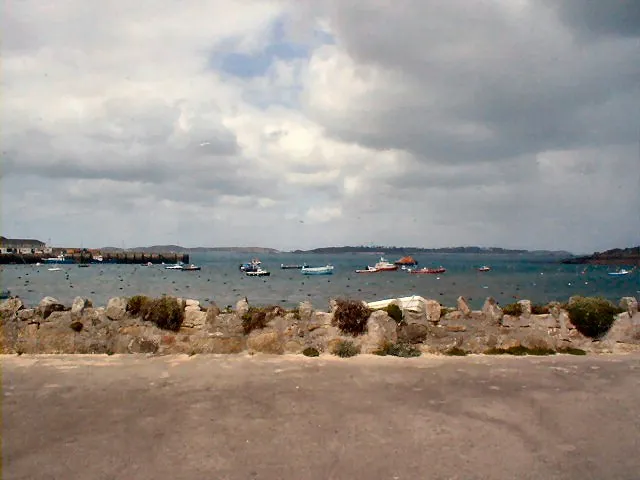
Photo: Gerald England , CC BY-SA 2.0, via Wikimedia Commons
Winter changes a harbour. The summer pontoon chatter goes quiet, the ice-cream queue disappears, and the town seems to turn its collar up and get on with the business of being itself. For anyone in a classic cockpit — wooden or GRP, varnished or painted — this is the season when a short hop along the coast feels less like a procession and more like a conversation. The boat is slow, the days are short, and the reward is a berth in a place that has not been scrubbed clean for visitors.
Here are six harbour towns that repay an off-season visit. They are not marina resorts. They are working or once-working ports with walls, tides and histories, and each one asks a little planning rather than a lot of horsepower.
Fowey, Cornwall
Fowey has a way of making a small boat feel like the right size. The harbour is a folded pocket of deep water and old stone, with luggers and pilot cutters still part of the visual furniture. In winter the town quay and visitor moorings are quieter, though the harbour office still expects you to ring ahead and take the tide seriously. The approach is straightforward in settled weather, but the swell outside can make the entrance lively, so pick your window and have a plan B at Polruan or further up the river.
Ashore, the chandler is the first stop — not for a shopping spree, but for local knowledge about the latest dredging, mooring gaps and which pub has the fire lit. The du Maurier connection brings literary pilgrims in summer, but off-season Fowey is better for a walk to the church, a look at the old pilchard cellars and a pint by the window. A thermos on the harbour wall beats a crowded restaurant every time.
Whitby, North Yorkshire
Whitby is a harbour with a past you can almost touch. The Endeavour story, the whaling trade and the herring years are all layered into the streets on either side of the Esk. In winter the swing bridge still clanks, the abbey steps still pull people up the hill, and the harbour has a bracing, salt-scoured feel that suits a boat with a bit of age about it.
Practical notes matter here. The entrance is tidal and can be uncomfortable in a northerly swell, so check the forecast and the harbour authority advice before committing. Winter berths are generally easier to find than summer ones, but the town is still a working port, so keep lines tidy and listen to the harbour master. Ashore, the smokehouses are doing their quiet business, and a kipper roll eaten on the quay is worth more than most restaurant menus. The abbey ruins above the town are best in low light, when the crowds have gone and the wind is doing the talking.
Oban, Argyll
Oban is a ferry town, a sailing town and a fishing town, and in winter it feels like all three at once. The bay is sheltered enough to make a classic boat feel welcome, but the weather can change its mind quickly. The town is a useful base for the sounds and islands, and off-season it has the pleasant air of a place that is busy with real work rather than holidaymakers.
Boating notes: the harbour has visitor berths and moorings, but the tide and the ferry traffic dictate the rhythm. The Corran Ledge and the approaches to Kerrera deserve respect, and a strong westerly can make the bay choppy. Winter is not the time for a casual dash; it is the time for a reefed main, a hot flask and a willingness to stay put. Ashore, the seafood is still excellent, the distillery tours are quieter, and the walk up to McCaig's Tower gives you a cold, clear view of the whole harbour. This is a town that rewards patience.
Wells-next-the-Sea, Norfolk
Wells is not a deep-water harbour in the usual sense. It is a tidal creek, a long approach and a bar that asks for local knowledge and a fair tide. That is precisely why it suits a classic boat and an off-season mindset. The town is genteel and weathered, with a chandler, a harbour office and a beach that goes on for miles when the wind is off the sea.
Plan the tide carefully, speak to the harbour master and do not treat the bar as a challenge. In winter the moorings are quieter, the pinewoods are bare, and the beach huts stand in a row like old friends waiting for spring. Ashore, the fish and chip shops still open, the pub fires are lit, and the walk back along the quay is short enough to do in the dark with a torch. Wells is a reminder that coastal cruising is not only about deep water and dramatic cliffs; sometimes it is about a muddy creek and a good supper.
Dartmouth, Devon
Dartmouth has the look of a town that has been important for centuries, because it has. The naval college, the castle and the river trade all give it a sense of occasion, but off-season it relaxes into something more comfortable. The Dart is a wonderful river for a classic boat, with wooded banks, quiet reaches and enough shelter to make a winter passage feel civilised.
Use the town quay and visitor pontoons with an eye on the tide and the harbour authority instructions. The entrance can be sloppy in a southerly, but once inside the river the water is often calmer. Winter is a good time to take the steam railway, poke around the shops and eat something warm while the rain goes sideways outside. The castle walk is bracing, and the view back across the water to the town is one of the best in the West Country. Dartmouth does not shout about its history; it simply wears it.
Harwich, Essex
Harwich is one of those places that has been a port for so long it almost takes it for granted. The Ha'penny Pier, the old naval yard and the ferry traffic give it a salty, unsentimental character. In winter the town is quiet, the water is grey, and the whole place feels like a set for a maritime novel that has not been written yet.
Boating notes: the harbour is tidal, with a mix of moorings and berths, and the entrance needs respect in strong winds. The harbour authority is the first call, and the local sailing clubs are a good source of winter advice. Ashore, the pier is the place to stand with a flask and watch the ferries come and go. The Electric Palace cinema and the old streets behind the waterfront reward a wander. Harwich is not pretty in the postcard sense, but it is authentic, and that is worth more.
The quiet season advantage
These towns are not secret, but they are different when the summer boats have gone home. The harbour walls are free of spectators, the chandlers have time to explain a fitting, and the pubs are full of people who live there all year. For a classic boat, that is the point. You are not arriving as a customer; you are arriving as a visitor in a place that still works. Take the thermos, take the tide tables and take your time.