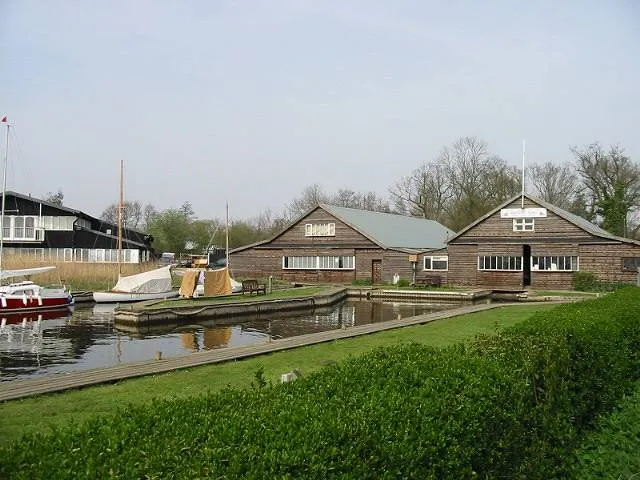
Tarpaulins, Tea and Tenacity: A Winter Among the Old Timber
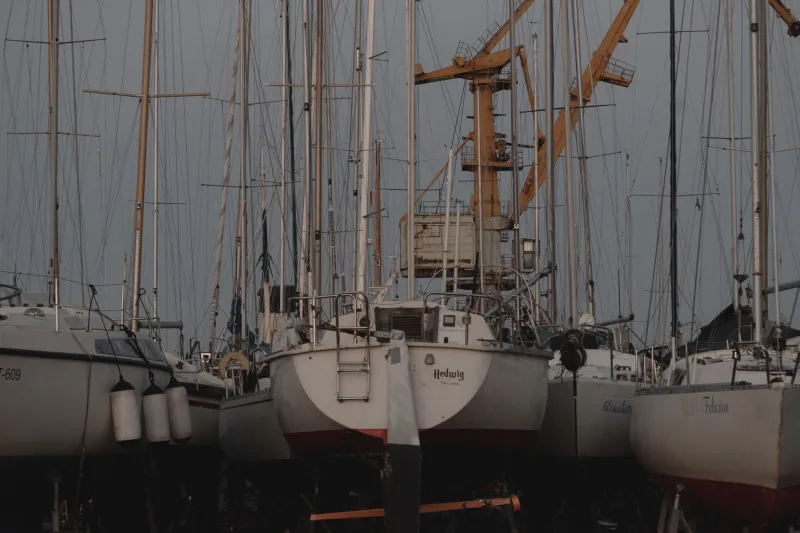
The gate is open at half seven
There is a particular smell to a boatyard in November. Cold fibreglass, diesel, wet rope, linseed oil, and the faint ghost of last summer's antifoul. Walk in through the gate at half seven and you will usually hear a scraper before you see a soul - that patient shush-shush against a topside which is, if you listen properly, the sound of the classic boating year starting all over again.
Not in June, when the water is warm and the breeze is kind and everyone is watching. Now. In the damp, in the dark, with the yard lights on and a mug going cold on a coachroof.
That is the thing the uninitiated never quite grasp. To a passer-by, a hauled-out boat looks like a full stop. To the rest of us it is a comma.
Lay-up is a ritual, not a chore
Haul-out day has its own liturgy. The slings going under, the travel hoist grumbling, the hull coming up green and dripping above the concrete while the yard foreman gestures with a clipboard and a roll-up. Then the slow business of winterising: the raw-water side of the engine drained, the oil changed while it is still warm, every seacock worked and greased, the propeller shaft attended to, the sails off to the loft and labelled, the rigging slackened just enough.
Good owners photograph everything. Better owners write it down. The best keep a grubby notebook in the chart table with last winter's list still in it, half ticked, half abandoned, which is roughly how all boat jobs go.
There is a quiet satisfaction in this that is hard to explain to someone who keeps their boat in a marina and steps aboard in April. The lay-up is not the absence of sailing. It is the other half of it.
Inside the varnish tent
Every yard has one. A polytunnel, a scaffold and a dust sheet, or in one case I know of, an old marquee borrowed from a village fete and never returned. Inside, someone is on their eighth coat of the winter, sanding with 320 grit between each one, tack-ragging the dust away, waiting for the temperature to come up past ten degrees.
Varnish work teaches patience better than any book. You cannot hurry it and you cannot hide it. A thin coat, laid on warm, brushed out properly, will forgive a great deal. A thick coat slopped on in a cold snap never will, and the evidence will be there in July for all to see.
Brass is the other winter obsession. There are two schools - the ones who polish until the fittings glow like a chapel, and the ones who let the patina settle and call it character. Both are correct, and neither will ever admit it. Winches come apart on a sheet spread across the cockpit sole, pawls and springs laid out in the order they came out, a mug of tea balanced somewhere it absolutely should not be.
The chandlery run
Half the pleasure of a winter Saturday is the errand. Bronze screws sold singly from a drawer, a length of tarred marline, a tin of something your grandfather would have recognised. The good chandlers still exist - in Woodbridge, in Falmouth, in a couple of sheds along the Deben - and they trade on a currency of memory. Describe the thread you need and a decent one will reach under the counter without asking twice.
Then there are the boat jumbles and the secondhand racks, where a seized winch goes for the price of a round and reappears, six weeks and a tin of grease later, as a bargain that will outlive its owner. Classic boating runs on this small economy of rescued parts. Nothing is thrown away; it is simply moved along to someone with more time than money.
The kettle is a tool
Yard etiquette is unwritten and fiercely observed. Ask before you touch another person's boat. Offer a hand with the ladder. Never volunteer an opinion on someone's stem unless you are asked, and possibly not even then.
But stand near a hull for long enough and the kettle will appear. Then the folding chair, then the biscuits, then the advice - freely given, half of it wrong, all of it well meant. The best conversations of my life have happened while leaning against someone else's keel, watching the rain come across the estuary, arguing gently about whether a cockpit should ever be varnished.
This is the part the brochures leave out. Boatyard camaraderie is not a bonus of classic ownership; it is the point of it.
Timber remembers
Winter is also when old wood is read properly. Covers go on with ventilation, not in spite of it. Seams are raked and caulked. A dehumidifier hums in the cabin. Anyone who seals a damp boat up tight in November and walks away deserves everything they get in April - and usually gets it.
Then comes the morning in late March when the yard fills with ladders and antifoul rollers and everyone is suddenly cheerful and slightly panicked. Launch day. The hull goes back in and takes up over forty-eight hours, the seams closing, the automatic bilge pump working overtime, someone peering down into the gloom with a torch and saying, casually, that it always does that.
And then a cold, brilliant Saturday in April, sails bent on, engine ticking over, the first puff of the season coming down the river. She sits a little higher. She smells of varnish and new grease. Nobody claps, because that is not the way of things, but everyone in the yard looks up.
That is the second spring. It was never going to arrive on its own.