Bacon Rolls and Bilge Pumps: Eight Yard Cafés Where Classic Boat Wisdom Is Served Hot
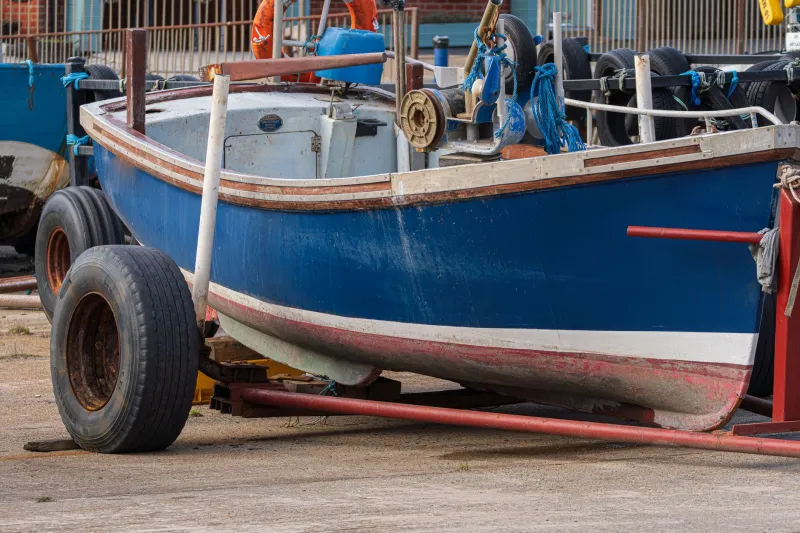
Ask a classic-boat owner where they really learned to fettle a sea cock, coax a tired diesel into life or judge whether a plank is merely thirsty or genuinely doomed, and the answer is rarely a manual. More often it is a formica table beside a boatyard slip, a mug that has seen better days, and somebody in oily overalls saying, 'I wouldn't do that if I were you.'
Boatyard cafés are the unofficial clubhouses of the classic-boating world. They are not generally posh, they do not usually take bookings, and their opening hours can depend on the tide, the weather or whether the fryer has been lit. But they are places where knowledge is passed on freely, often between a bacon roll and a confession about varnish. As the 2026 season winds down and many of us turn to winter jobs, here are eight worth planning a trip around.
1. Underfall Yard, Bristol
Bristol's floating harbour has a way of making even a routine errand feel like a small expedition. The yard café here sits among workshops, slipways and the old harbour infrastructure, and the clientele tends to be a mix of boatbuilders, cyclists, dog walkers and owners pretending they are only popping in for a coffee.
Why go: The restoration confessions flow freely. You will hear about someone's disastrous attempt at stripping paint with a heat gun, followed by genuinely useful advice about scrapers, linseed oil and when to walk away.
Practical note: Combine it with a harbourside walk towards the Suspension Bridge or around the docks. Check winter opening times before travelling; the yard is a working site, not a theme park.
2. Mylor Harbour, Cornwall
The café above the boatyard at Mylor has long been a favourite for sailors waiting on a tide or a lift-out. It is the kind of place where the view does half the work and the conversation does the rest. On a grey day, the pontoon masts clicking in the breeze are worth the trip alone.
Why go: Mylor is a natural crossroads for cruising people, so you are as likely to pick up a bit of local knowledge about the Fal as you are to hear a cautionary tale about a cramped engine bay.
Practical note: Walk the coast path towards Flushing or take the circular route around Mylor Churchtown. In autumn, the harbour is quieter and the café feels more like a village hall with a sea view.
3. Titchmarsh Marina, Essex
On the Walton backwaters, the boatyard café at Titchmarsh is a modest affair with a serious role. It feeds people who are antifouling, rigging, scrubbing or simply hiding from the family for an hour. The surrounding creeks are shallow, twisty and full of birds, which makes the whole place feel pleasantly detached from the modern world.
Why go: This is prime territory for swapping notes on shoal draft, mud berths and the delicate art of not running aground in front of an audience.
Practical note: A walk out towards the Naze gives you big skies and a proper sense of the Essex coast. Bring cash as a backup and ring ahead in winter; small yard cafés are not always run to city hours.
4. Ardfern Boatyard, Argyll
The west coast of Scotland does not do anything by halves, including weather. Ardfern's yard café is the sort of place where a wet sailor can steam gently by a heater while a local quietly explains which anchorages to avoid in a westerly swell.
Why go: The knowledge here is hard-won and generously shared. You may arrive intending to ask about a mooring and leave with an opinion on chain, tides, midges and the correct way to make tea in a force six.
Practical note: The Craignish peninsula offers low-level walks with huge views, and the surrounding lochs reward a slow approach. Opening can be seasonal, so treat the café as a bonus rather than a guaranteed pit stop.
5. Port Edgar Marina, South Queensferry
Under the Forth bridges, Port Edgar has the kind of backdrop that makes a bacon roll feel almost theatrical. The marina café attracts dinghy sailors, cruising folk and walkers taking in the bridges, and the atmosphere is brisk rather than precious.
Why go: It is a good place to eavesdrop on racing talk, winter refit plans and the perennial debate about whether a boat should be loved for its lines or its practicality. Usually both, ideally.
Practical note: Walk the Dalmeny estate paths or follow the shoreline for bridge views. It is an easy trip from Edinburgh by rail, which makes it a sensible car-free option when the weather is merely damp rather than biblical.
6. Lawrenny Quay, Pembrokeshire
Tucked into the Cleddau estuary, Lawrenny Quay feels like a place where the tide sets the schedule. The boatyard and its café serve a steady flow of sailors, walkers and people who have discovered that the best way to spend an afternoon is watching boats lean on the mud.
Why go: The estuary is a superb classroom for reading water, and the café is the sort of informal hub where someone will happily sketch a route on the back of a receipt if you ask nicely.
Practical note: The woodland and quayside walks are excellent in autumn. Keep an eye on tide times if you are combining a visit with anything afloat, and do not expect a latte culture that outruns the local pace.
7. Bursledon, Hampshire
The Hamble River has more boatyards than seems strictly reasonable, and the cafés around Bursledon serve a mix of racers, cruisers and classic owners keeping older hulls alive. It is a working river, which means the conversation is rarely only about food.
Why go: This is a good place to pick up names of surveyors, riggers and quietly skilled people who do not advertise much. The classic-boating network still runs on recommendations passed across café tables.
Practical note: The Hamble Rail Trail makes a pleasant short walk, and the river path offers plenty of boat-spotting. Parking can be tight at weekends, so an early start is no bad thing.
8. Portsoy, Aberdeenshire
Portsoy's harbour has a rugged, honest beauty, and the boatyard café nearby fits the mood: no fuss, decent sustenance and a sense that the sea is never far from the conversation. The old harbour buildings and stone walls make it a place to linger even when the wind has other ideas.
Why go: The north-east coast is not short of character, and the local sailing knowledge here is practical rather than performative. Ask about weather windows and you will get an answer worth listening to.
Practical note: Walk the coastal path and explore the old harbour area. In winter, check opening times carefully and build in a backup plan involving a flask.
Yard café etiquette
A few gentle rules keep these places working. Order something, even if it is only tea. Do not monopolise a table with stripped varnish and a bad attitude. Ask before photographing people or boats. And if someone gives you a hard-won tip about a local channel, a surveyor or a reliable supplier, listen properly and pass it on when your turn comes.
These cafés are not attractions in the polished sense. They are places where the classic-boating community keeps itself afloat, one mug at a time. Plan a trip around one this autumn, take a walk afterwards, and leave with more than you came for: perhaps a full stomach, certainly a better idea of what to do with that troublesome keel.