The Shine Tells Tales: Reading Brightwork Before You Buy an Old Wooden Boat
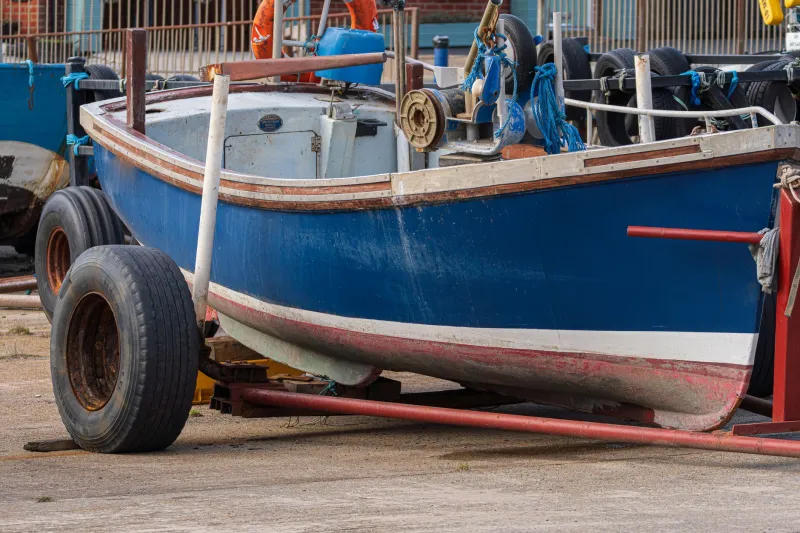
There is a particular temptation, when viewing a classic wooden boat, to be charmed by the whole thing at once. The curves, the smell of old timber, the brass that has gone the colour of a good pub table. But if you want to buy wisely, start with the shiny bits. Brightwork is the most honest part of a pre-purchase inspection because it cannot hide for long. Varnish is a verb as much as a material: it records every season of attention, neglect, rushed weekends and good intentions.
This is not about demanding a concours finish. A tired coating can be perfectly respectable, especially on a boat that is used. The point is to read the pattern. What follows is a practical, mildly opinionated field guide for UK buyers who want to look beyond the gleam before the surveyor arrives.
Start Low, at the Toe Rail
Begin where the boat meets the weather. Toe rails, rubbing strakes and the lower edge of the coachroof take the brunt of rain, salt and pontoon scuffing. Look for varnish that has lifted in small crescents along the top edge, or dark lines where water has crept under the film. A few flakes on a toe rail are not necessarily a deal-breaker, but if the coating has failed in the same place on both sides, ask why.
Run a thumbnail gently along the edge of any lifted patch. Sound varnish will feel hard and slightly proud. Varnish that crumbles or comes away in soft flakes suggests moisture has been sitting underneath. On a wooden boat, that is less a cosmetic issue and more an invitation to inspect the timber beneath. If the owner has recently slapped on a fresh coat without dealing with the lifted edge, you will often see a lumpy ridge where old and new varnish meet. That is a shortcut, and shortcuts have a way of showing up again in the spring.
Cracks, Dulls and the Language of Neglect
Fine cracks in varnish are normal. They are the price of sunlight, frost and the natural movement of timber. Long, straight cracks that follow a seam or a plank line deserve more thought. They may simply reflect the wood moving beneath, but they can also be a sign that water is getting in through a joint. Press gently around the area with a clean cloth. If there is any give, softness or a dark stain spreading into the grain, make a note for the surveyor.
Dull patches are more subtle. A uniform dullness across a coachroof might mean the boat has spent a few seasons outdoors without a fresh topcoat. A single dull patch, especially under a cover or near a fitting, can point to a leak or a repair. Look at the edges of the patch. Sharp, clean boundaries often mean a local repair or a spot of hasty sanding. Feathered, irregular boundaries usually mean the finish has worn through from use.
Over-Varnish Is Its Own Warning
A very glossy boat is not automatically a well-kept boat. Thick, glassy varnish that has been built up in coat after coat can look impressive on the hardstanding but can also trap moisture, crack under movement and make future maintenance harder. Look for a finish that has a slightly plastic depth to it, especially around joints and fittings. If the varnish has pooled in corners or filled the grain until the wood looks flat, someone has been hiding rather than maintaining.
Good brightwork has a certain spring to it. You can see the grain, the colour shifts in the light, and the coating follows the timber rather than sitting on top of it like a coat of armour. On older boats, a little amber patina is no bad thing. It speaks of time and careful topping-up. The danger is varnish that is too new in one place and too tired everywhere else.
The Coachroof and the Tell-Tale Corners
The coachroof is where owners often work quickly. Check the corners first: around windows, grab rails, hatches and the base of the mast. These are the places where water collects and where a brush is awkward. If the varnish is fresh on the flat surfaces but thin or missing around the fittings, the finish has been applied for appearance rather than protection. That is a useful clue about the owner's approach in general.
Look also at the transition between varnished wood and painted surfaces. A crisp, well-sealed edge suggests care. A wobbly line with varnish bleeding onto paint, or paint creeping onto brightwork, suggests a boat that has been kept going rather than kept well. Neither is fatal, but it helps you price the work ahead.
Honest Patina Versus an Expensive Surprise
A dull, weathered finish on a well-used boat can be honest patina. It tells you the owner has been sailing rather than sanding, and there is nothing dishonourable in that. The important question is whether the timber underneath is sound. Tap gently along the brightwork with a small plastic screwdriver handle or a coin. A sharp, dry tap is reassuring. A dull thud may mean soft wood or a void beneath the coating. Do not go hunting for problems with a chisel; a light tap and a careful look are enough before a professional survey.
If the brightwork is tired but the timber is sound, you are looking at time, sandpaper and varnish, not disaster. If the finish is gleaming but the corners are soft, the fittings are stained and the edges are lifting, you are looking at a more expensive kind of shine. In a UK climate, where damp air and frost do their best to undo good work, brightwork is never finished. A boat that shows sensible, regular maintenance is usually a better bet than one that has been dressed up for the advert.
A Buyer's Pocket Checklist
Take a torch, a clean cloth and a notebook. Work from the toe rail upwards. Note any lifted edges, dark stains, soft taps, cracks that follow seams, and fresh varnish around old fittings. Ask the owner when the brightwork was last completely taken back and how many coats went on. The answer will tell you as much as the finish itself.
And keep a sense of proportion. Classic boats are not museum pieces, and a few wrinkles in the varnish are part of the deal. What you are reading for is a pattern: care, honesty and a realistic maintenance routine. The shine tells tales, but you have to look past it to hear them.